You know those TikTok videos where someone casually mentions they saw a bird, and the whole comment section loses it based on how their partner reacts?
If the partner looks up, asks questions, actually seems interested? Everyone’s like “MARRY THEM.” If they just keep scrolling on their phone or hit them with a “cool” and nothing else? The comments fill up with “red flag,” “dump them,” “they’re not the one.”
It’s called the bird theory, and honestly? There’s something to it. But here’s the thing most people don’t know while they’re rage-commenting on these videos: this isn’t just another relationship trend cooked up by the algorithm. It’s based on decades of actual research by relationship experts Drs. John and Julie Gottman, who studied thousands of couples to figure out what makes relationships work and what makes them fall apart.
The Gottmans watched couples interact. They tracked who stayed together and who didn’t. And what they found wasn’t what anyone expected.
It wasn’t the big stuff that predicted whether relationships lasted. Not the expensive vacations or the perfect Instagram date nights or the elaborate anniversary surprises. It was the boring, everyday stuff. The moments when one person reaches out in some small way and the other person either shows up or doesn’t.
They call these moments “bids for connection.” And yeah, it sounds academic, but stay with me because this actually explains so much. (You can read more about the Gottman Institute’s research on bids for connection here.)
A bid is any time you’re trying to get your partner’s attention or affection. It can look like a million different things.
Sometimes it’s obvious, like “Can you help me with this?” But most of the time? It’s subtle:
- Sending them a meme you think is funny
- Sighing loudly after a terrible day
- Showing them a TikTok
- Mentioning that random bird you saw
- Reaching for their hand while you’re watching TV
- Starting to tell them a story from work
- Making a joke to see if they laugh
Every single one of these is you saying, without actually saying it: “Hey. I’m here. Are you here with me?”
Here’s where it gets real. The Gottmans found that couples who stayed happily married turned toward these bids 86% of the time. Couples who ended up divorced? 33%. (This comes from their landmark Love Lab studies, where they observed thousands of couples over decades.)
Let that sink in for a second.
The difference between “we made it” and “we couldn’t make it work” often came down to whether someone looked up from their phone when their partner tried to connect.
And we’re not talking about being perfect here. Nobody responds to every single bid. We all have days where we’re fried or stressed or just done. But when you’re consistently turning toward your partner most of the time, you’re building something. When you’re not, you’re slowly breaking something down.
When your partner makes a bid, you basically have three options:
Turn Toward: You engage. Your partner says, “I saw the weirdest bird today,” and you actually respond like a person who cares about them. “Wait, what? Show me.” You might not care at all about the birds. That’s not the point. The point is you care about them, and what excites them matters to you.
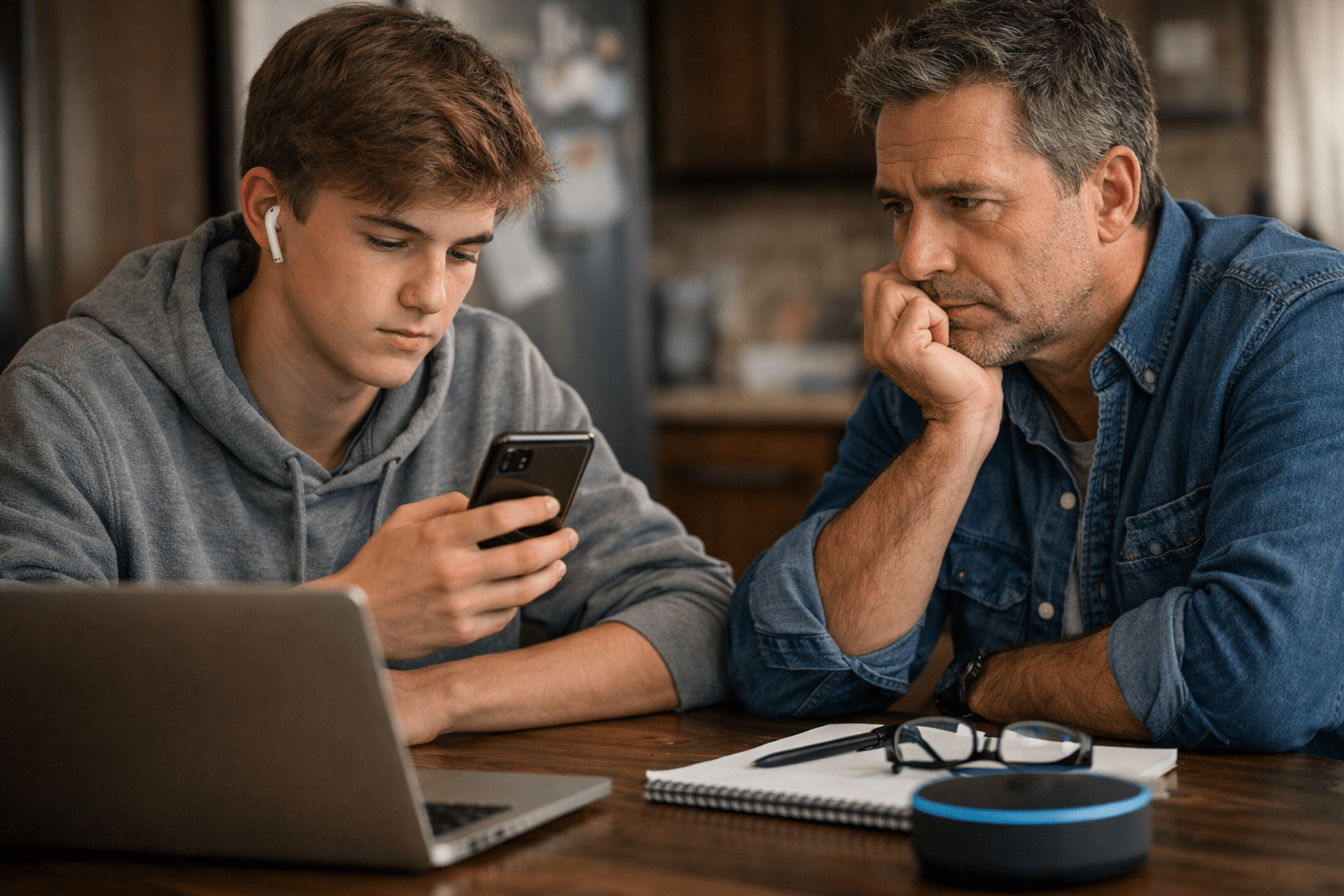
Turn Away: You don’t really respond. Maybe you grunt something. Maybe you don’t look up from what you’re doing. Maybe you literally don’t hear them because you’re in your own world. This isn’t always intentional. Sometimes you’re just distracted or overwhelmed. But when it becomes your default? Your partner eventually stops trying to reach you.
Turn Against: You respond like they’re bothering you. “Why are you telling me about a bird right now? Can’t you see I’m busy?” This one shuts things down fast and builds resentment even faster.
Think about what it feels like when you’re excited about something and you want to share it with your person, and they just… don’t care. Or worse, they make you feel stupid for being excited about it.
That feeling? That’s what happens every time someone turns away from a bid. It’s small, but it stings. And if it keeps happening, you start editing yourself around them. You stop sharing the little things. You stop being fully yourself because some part of you learned that your enthusiasm is annoying or your thoughts don’t matter.
On the flip side, when someone consistently shows up for you in these tiny moments, it builds something real. You feel safe. Seen. Like you can be your whole messy, excited, stressed, weird self and they’re still going to be interested in your world.
The breakdown doesn’t happen in one big explosive fight. It happens over months or years of someone reaching out and nobody being there. That’s how people end up sitting next to each other on the couch feeling completely alone.
You get home from work. Your partner’s in the kitchen making dinner. They start telling you about something that happened today. That’s a bid.
What do you do?
You could walk over, actually stop what you’re doing, and listen. You could make eye contact and ask them to tell you more. Or you could half-listen while scrolling through your phone and throw out a few “uh-huh”s. Or you could say, “Can we not right now? I just got home.”
None of these automatically makes you a terrible person. But which pattern are you creating? Because that pattern becomes your relationship.
Here’s another one: You’re both on the couch watching something. Your partner reaches for your hand. Do you hold theirs back? Do you keep your hand where it is because you’re comfortable? Do you even notice?
Or this: Your partner sends you a meme at 2 PM. Do you react to it? Send one back? Leave it on read because you’re busy and forget to respond later?
These all feel like nothing in the moment. But they’re not nothing. They’re building blocks. Either building connection or chipping away at it, one ignored moment at a time.
Here’s the thing: you can start fixing this today. Not when you finally get around to couples’ therapy (though that helps). Not after you have some big conversation about it. Today.
Start noticing. Pay attention to when your partner is trying to connect. It might be super obvious or barely noticeable. A comment. A sigh. A video they want to show you. These are all bids. Start counting how many you catch yourself ignoring.
Put your phone down. For real. This is probably the biggest thing killing connection in relationships right now. If your partner is talking to you and you’re mid-scroll, you’re telling them the phone is more interesting than they are. Even if that’s not what you mean, that’s what it feels like.
Look at them. Basic as hell, but powerful. Eye contact while someone’s talking to you is such a simple way to say “you matter.”
Ask literally one follow-up question. You don’t need to turn everything into a deep conversation. Just show you heard them. “Wait, what happened next?” “How did that make you feel?” “What kind of bird was it?” Any of these work.
Be honest when you can’t. Sometimes the timing really is bad. That’s okay. But instead of just ignoring them or getting annoyed, try: “I really want to hear this, but I need ten minutes to finish this thing. Can we talk about it then?” Then actually come back to it. Don’t say that and then forget.
Sometimes you read all this and think “okay cool, I can do that,” and then you try and it feels impossible. Maybe you’ve been ignoring each other’s bids for so long that you don’t even know how to start turning back toward each other. The distance feels permanent. The pattern feels stuck.
Or maybe one of you grew up in a house where nobody really paid attention to each other, so you genuinely don’t understand why this stuff matters so much. Or maybe there’s resentment built up from years of feeling ignored, and now even when your partner tries, it feels fake or too late.
Sometimes anxiety or depression makes it hard to show up for anyone, including yourself. Sometimes you’re both drowning in work or kids or stress and there’s just nothing left at the end of the day.
That’s when this stops being about willpower and starts being about needing actual help. And that’s okay. That’s what therapy is for.
We work with couples at all stages. Some come in early, wanting to build good habits before problems start. Smart move, honestly.
Others come in when things already feel pretty bad. When the silence in the car ride over was heavy. When they can barely look at each other.
But almost everyone has the same realization at some point: the thing they’re fighting about isn’t actually the thing they’re fighting about.
The couple losing it over dishes isn’t really mad about dishes. One person has been making bids for help and appreciation for months, and the other person hasn’t noticed. The dishes are just where it finally exploded.
The couple who say they have “nothing to talk about anymore” didn’t actually run out of things to say. One of them just stopped making bids because it hurt too much when nobody responded. Why keep trying?
When we help couples rebuild, we usually start here. Learning to notice bids again. Practicing turning toward each other. Relearning how to show up for the small stuff. Because that’s where connection actually lives.
You’re going to miss bids. Your partner’s going to miss yours. You’ll both have days when you’re too tired or stressed or just checked out to be fully there. That’s called being human, not being a bad partner.
What matters is the overall vibe. Are you mostly turning toward each other? When you do miss a bid, do you notice and come back to it? (“Hey, sorry I was on my phone earlier when you were trying to tell me about your day. Can you tell me again?”)
The research shows you don’t need to respond to every single bid. Happy couples hit that 86% mark. That leaves plenty of room for being imperfect, for having off days, for being a real person who sometimes just needs to zone out.
You’re not trying to be perfect. You’re just trying to show up more often than not.
For Couples Just Starting Out
Here’s something we wish more people knew: you don’t have to wait until things are broken to work on them.
A lot of younger couples come to us thinking therapy is only for relationships that are already in crisis. Like you have to earn your way into couples’ therapy by fighting enough or being miserable enough. That’s not true at all.
Some of the smartest couples we work with are the ones who come in before they’re married. They’re not coming because things are bad. They’re coming because they want to build good habits from the start. They want to learn how to turn toward each other now, before years of turning away creates distance that feels impossible to close.
If you’re thinking about getting engaged or you’re already planning a wedding, this stuff matters even more. Everyone focuses on the wedding day—the flowers, the venue, the photographer. But nobody really talks about building the actual marriage. Learning how to respond to bids for connection? That’s relationship infrastructure. That’s the foundation everything else sits on.
Pre-marital counseling isn’t about fixing problems. It’s about learning how to communicate, how to handle conflict before it gets ugly, how to stay connected when life gets stressful. It’s about understanding that the small moments—like whether you look up when your partner tries to tell you something—are building your future together, one interaction at a time.
You can learn more about our pre-marital counseling here. We work with couples at every stage, whether you’re just starting out or you’ve been together for decades.
If you only remember one thing from this, let it be this: the small moments aren’t small.
That bird your partner wants to tell you about? That meme they sent? That sigh after a long day? Those are the moments your relationship is actually made of. Not the anniversary dinners or the Valentine’s Day flowers. Those are nice, but they’re not the foundation.
The next time your partner makes a bid, you have a choice. You can look up. You can put the phone down. You can show them that what matters to them matters to you.
That’s it. That’s the whole thing. And it might be the most important choice you make in your relationship today.
Need Help With This Stuff?
Look, sometimes you read an article like this and think “cool, makes sense” but then actually doing it feels impossible. Or you try and it still doesn’t work. That’s when talking to someone helps.
At Cornerstone Family Counselling Services, we work with couples on exactly this: noticing bids, turning toward each other, breaking patterns of disconnection. We’re not here to tell you your relationship is doomed. We’re here to help you build the connection you want.
Whether you’re trying to prevent problems before they start or you’re already feeling the distance and want to fix it, we can help.
Our couples therapy: https://cornerstonefamilycounselling.com/our-services/couples-therapy/