No, your therapist is not a medical doctor and cannot prescribe medication. To obtain a prescription for medication, please speak with your family doctor or request a referral for an appointment with a psychiatrist.

Professional Credentials:
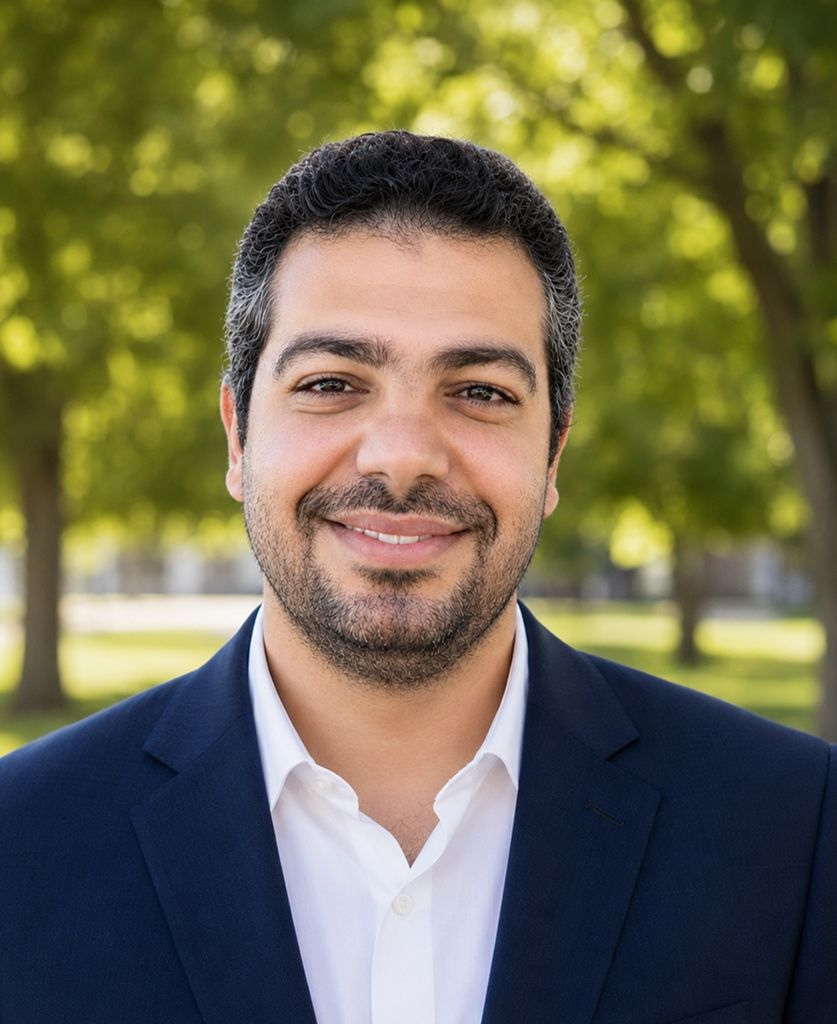
About Marc:
There is a quiet place within each of us that suffering cannot entirely reach.
Life may leave its fingerprints on us through loss, fear, rejection, illness, betrayal, or the many unnamed moments in which we learned to protect ourselves. Over time, these experiences can give rise to familiar inner voices: the one that anticipates danger, the one that demands perfection, the one that withdraws before disappointment arrives, and the one that carries memories we would rather leave behind. These voices are not evidence that something is wrong with us. They are traces of how we survived.
I believe that people are more spacious than the stories their pain has written about them. Anxiety may visit, but it is not an identity. Shame may speak with conviction, but it is not the whole truth. A defensive pattern may have shaped a person’s life, but it does not define the person who developed it.
In therapy, I am interested in meeting these inner experiences with curiosity, wondering what happened to you and what this part of you has been trying to accomplish. The part that avoids may be longing for safety. The part that criticizes may be attempting to prevent rejection. The part that feels overwhelmed may have been carrying more than it was ever meant to carry.
Healing is not always about becoming someone entirely new. Sometimes it is about separating the person from the problem, loosening the grip of old narratives, and discovering that the self was never synonymous with the wound. Together, we can make room for a different story. There is more to you than what happened to you, and often, healing begins when the parts that have been working so hard to protect you no longer have to do so alone.
I specialize in Christian-informed therapy while welcoming clients of all faith traditions and those seeking a non-theistic approach; my work is interfaith and inclusive, and grounded in Internal Family Systems (IFS), which helps your Core Self relating to different parts of you with curiosity and compassion; Cognitive Behavioral Therapy (CBT), which supports you in noticing and reshaping unhelpful thought and behavior patterns; Narrative Therapy, which invites you to separate yourself from the problem and author a more empowering life story; and Solution-Focused Brief Therapy, which builds on your strengths to create practical, achievable steps toward the change you want.
Professional Credentials:
Please contact us today or complete our “Request Your First Counselling Session” form to schedule your first counselling session.
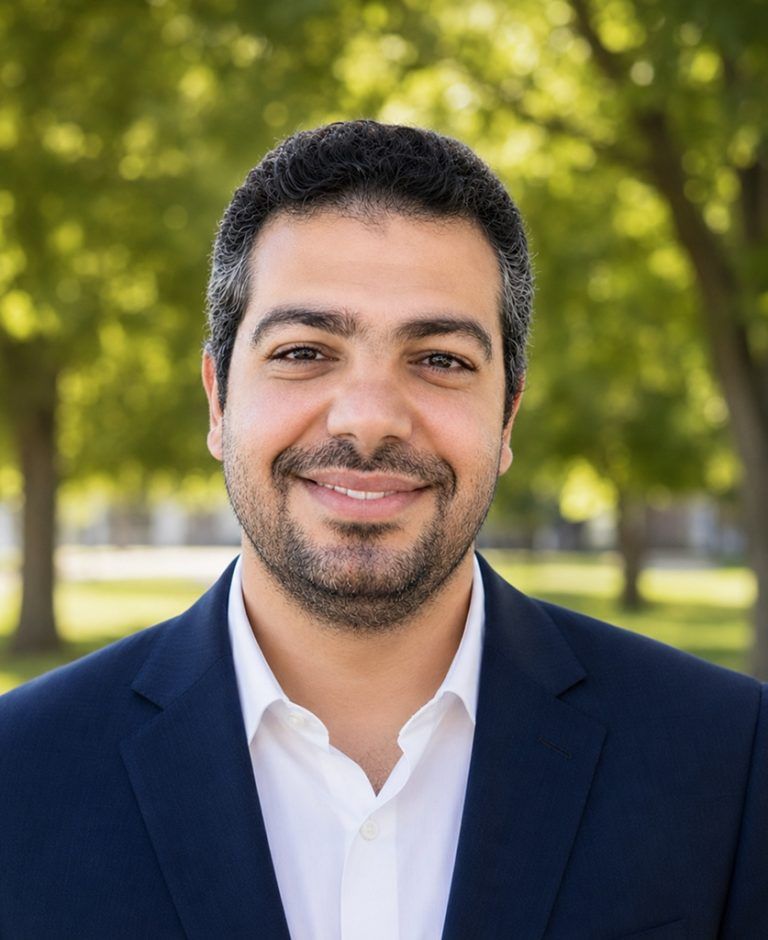
About Marc:
There is a quiet place within each of us that suffering cannot entirely reach.
Life may leave its fingerprints on us through loss, fear, rejection, illness, betrayal, or the many unnamed moments in which we learned to protect ourselves. Over time, these experiences can give rise to familiar inner voices: the one that anticipates danger, the one that demands perfection, the one that withdraws before disappointment arrives, and the one that carries memories we would rather leave behind. These voices are not evidence that something is wrong with us. They are traces of how we survived.
I believe that people are more spacious than the stories their pain has written about them. Anxiety may visit, but it is not an identity. Shame may speak with conviction, but it is not the whole truth. A defensive pattern may have shaped a person’s life, but it does not define the person who developed it.
In therapy, I am interested in meeting these inner experiences with curiosity, wondering what happened to you and what this part of you has been trying to accomplish. The part that avoids may be longing for safety. The part that criticizes may be attempting to prevent rejection. The part that feels overwhelmed may have been carrying more than it was ever meant to carry.
Healing is not always about becoming someone entirely new. Sometimes it is about separating the person from the problem, loosening the grip of old narratives, and discovering that the self was never synonymous with the wound. Together, we can make room for a different story. There is more to you than what happened to you, and often, healing begins when the parts that have been working so hard to protect you no longer have to do so alone.
I specialize in Christian-informed therapy while welcoming clients of all faith traditions and those seeking a non-theistic approach; my work is interfaith and inclusive, and grounded in Internal Family Systems (IFS), which helps your Core Self relating to different parts of you with curiosity and compassion; Cognitive Behavioral Therapy (CBT), which supports you in noticing and reshaping unhelpful thought and behavior patterns; Narrative Therapy, which invites you to separate yourself from the problem and author a more empowering life story; and Solution-Focused Brief Therapy, which builds on your strengths to create practical, achievable steps toward the change you want.
A psychotherapist (also commonly referred to as a “therapist” or a “counsellor”) helps with emotional and mental health problems in individuals, couples, and families through a variety of therapeutic approaches. In 2007, the Ministry of Health and Long-Term Care (MOHLTC) defined psychotherapists in Ontario as “regulated health professionals,” which means that all psychotherapists in Ontario need to be licensed members of the College of Registered Psychotherapists of Ontario (CRPO) and to utilize the formal title of “Registered Psychotherapist (RP).”
A Marriage and Family Therapist (MFT) holistically believes that your relationships with others (for example, with your family members) represent an essential aspect of your life and personal well-being and that your counselling process is more effective if he or she fully considers all of your relationships within her or her treatment plan for you. A Marriage and Family Therapist (MFT) is a Pre-Clinical Fellow within the American Association of Marriage and Family Therapists (AAMFT).
A psychotherapist (also commonly referred to as a “therapist” or a “counsellor”) helps with emotional and mental health problems in individuals, couples, and families through numerous therapeutic modalities. A psychologist may work in a variety of possible roles, from teaching psychology courses in universities and engaging in academic research to counselling clients and administering advanced psychological assessments. A psychiatrist specializes in the diagnosis and treatment (mainly through psychotropic medication) of mental or psychiatric disorders. A social worker helps people to resolve issues of everyday life (including through counselling services) and to access government and community resources.
No, your therapist is not a medical doctor and cannot prescribe medication. To obtain a prescription for medication, please speak with your family doctor or request a referral for an appointment with a psychiatrist.