

Why Your Family Might Be Grieving the Same Person Differently
In short: Grieving differently as a family is normal. Families often expect grief to look one way. In reality, grief...
LEARN MORE »Grief is one of the hardest things you’ll ever face. We help you navigate grief & loss with compassion and support, at your own pace.

Grief changes things. It can affect how you sleep, how you function at work, how you relate to the people around you. At Cornerstone, we work with people in Mississauga and Peel Region who are facing grief and loss — whether it is recent or something they have been living with for a long time.
Some days are manageable. Other days the grief comes back full force, and it feels like you are starting over. You might feel sad, angry, numb, or all of these at the same time. Ordinary things, a song, a smell, a time of year, can bring it all back without warning.
Sleep is hard. Concentration is difficult. You may wonder whether you will ever feel like yourself again. Some people feel guilty when they have a good moment, as if moving forward means leaving someone or something behind.
People around you may say things like “time heals” or “stay strong.” These come from a good place, but they do not help. What you need is someone who can sit with you in it.
It is something you learn to carry. And you do not have to carry it alone.
Grief is a natural response to loss. Most people think of grief in relation to death, but it can come from many kinds of loss: the end of a relationship, a miscarriage, a diagnosis, losing a job, a move that took you far from everything familiar, or a life change that took away something important to you.
You may have heard about the five stages of grief — denial, anger, bargaining, depression, acceptance. Research has largely moved past this model. Dr. George Bonanno’s work at Columbia University shows that grief is not a linear process and does not follow a fixed sequence. People grieve differently. Some experience intense grief that gradually lessens. Others go through waves that come and go over months or years. Some adjust more quickly than expected. Others struggle for a long time. None of these responses is wrong.
What matters is whether grief is affecting your ability to function, and whether you have the support you need. The Canadian Mental Health Association has a brief overview of grief that some people find helpful as a starting point
Grief therapy at Cornerstone is not about pushing you to feel better faster. It is about giving you a place to process what you are carrying, at your own pace.
Your therapist will help you make sense of your experience and understand why your reactions, even the ones that feel confusing or frightening, are normal responses to loss. For grief that involves waves of intense emotion, you will learn practical ways to manage those moments when they come, so they are less likely to pull you under.
Over time, the work shifts toward finding a way to honour what you have lost while also continuing to live. This is not about forgetting or “moving on.” It is about learning to hold both.
For some people, grief becomes what clinicians call prolonged grief disorder, where symptoms remain intense and continue to interfere with daily life long after the loss. This is more common than many people realise, and it responds well to targeted therapy. Your therapist will assess for this and adjust the approach accordingly.
Narrative Therapy gives people a way to tell the story of their loss on their own terms, which can be a meaningful part of processing grief. Mindfulness-Based Therapy helps people stay present without being overwhelmed by it. Attachment-Based Therapy is particularly useful when grief involves a relationship loss or when the connection to the person lost was complex.
You’ll learn to understand your unique grief experience. We’ll help you make sense of what you’re feeling and normalize reactions that might seem confusing or scary.
You’ll develop skills to manage difficult emotions when they feel overwhelming. Grief comes in waves, and you’ll learn ways to ride those waves without being pulled under.
We’ll help you find ways to honour what you’ve lost while also rebuilding your life. This isn’t about forgetting or “moving on.” It’s about finding a way to carry your loss while still living.
For those experiencing complicated grief, where intense grief symptoms persist and interfere with daily life, we use specialized approaches that research shows can help.
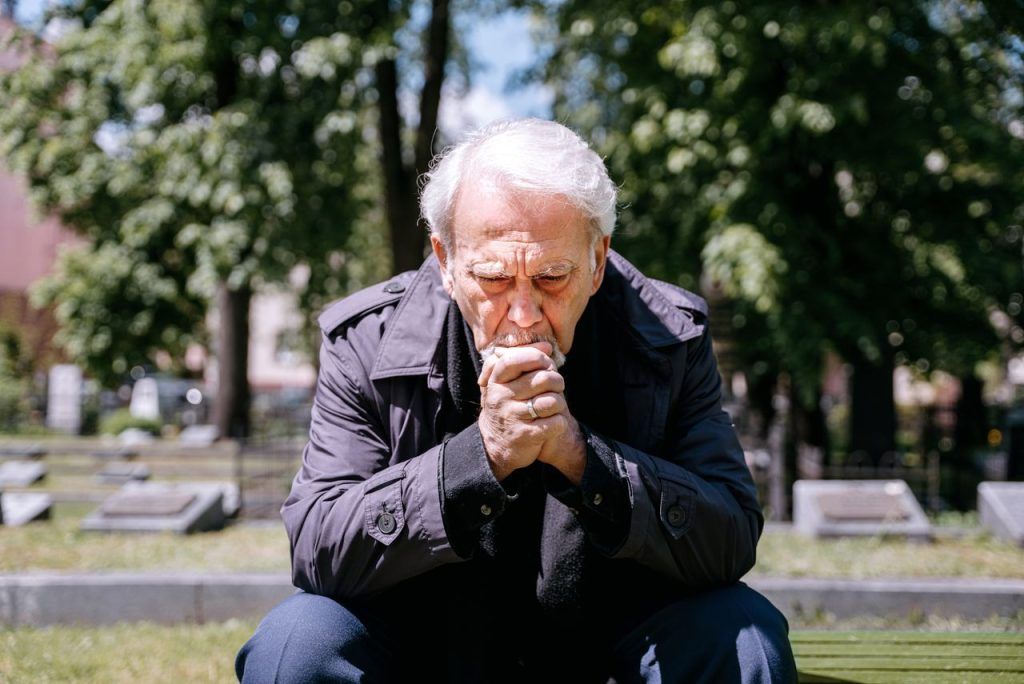
You’ll learn to understand your unique grief experience. We’ll help you make sense of what you’re feeling and normalize reactions that might seem confusing or scary.

There is no rule about how long grief should last or how intense it should be before reaching out. Some signs that talking to someone may help:
Cornerstone has been serving Mississauga and Peel Region for 15 years. Every therapist on our team holds a master’s degree and is registered with CRPO (the College of Registered Psychotherapists of Ontario). Our Clinical Director, Father Pishoy Wasfy, holds a PhD and a Doctor of Counselling and Psychotherapy from Yorkville University, and provides supervision across our clinical team.
We offer sessions in English, French, and Arabic. For clients who face financial barriers, affordable options are available, including sessions through the CARE Program (Connection, Acceptance, Resource, and Empowerment) for qualifying residents of Peel Region, and low-cost sessions with supervised intern therapists.
Appointments are available in person in Mississauga and online across Ontario. Evening and Saturday availability is offered for those who cannot attend during regular business hours.
Funding provided with appreciation through the CARE Program Grant, with recognition to the Peel Region.
For many people, loss raises questions about faith, meaning, and what comes after. These questions deserve space, not avoidance.
Christian faith-integrated counselling is available at Cornerstone for those who want it. Your therapist can engage with your faith as part of how you process grief, not as a replacement for evidence-based therapy, but alongside it. For those from other backgrounds or no faith background, the approach is the same: grounded, attentive, and paced to you.
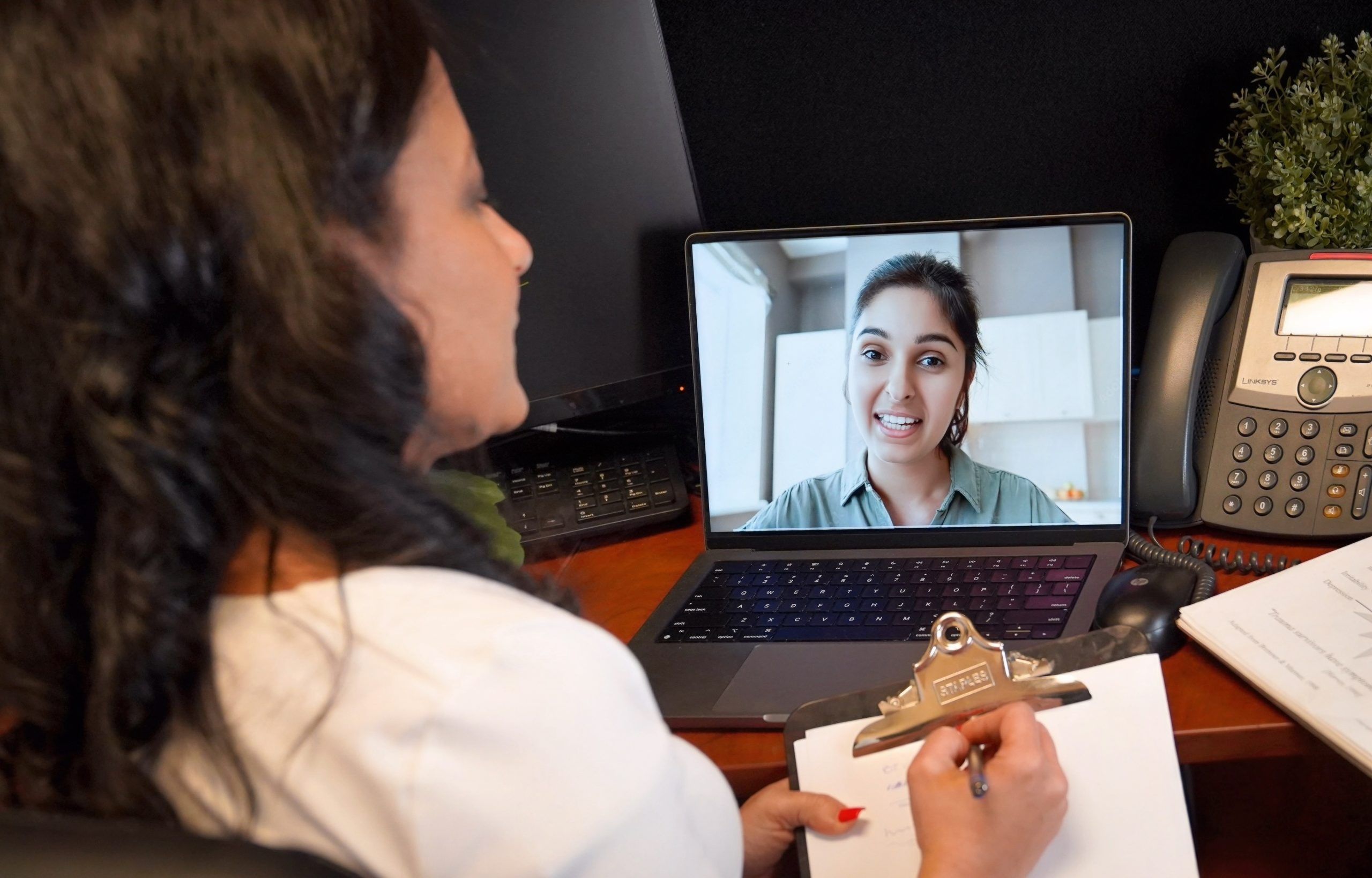
You do not have to process grief alone in a room. We offer grief and loss group therapy from time to time, where people come together to share their experiences with others who understand. Group therapy for grief can reduce the isolation that loss often brings and offers a different kind of support than individual sessions.
Call (905) 214-7363
Email [email protected], or fill out the form below.
Send us a message and we will get back to you within one business day.
More on Grief & Loss from our blog.
In short: Grieving differently as a family is normal. Families often expect grief to look one way. In reality, grief...
LEARN MORE »
Everyone around you seems ready to celebrate. And you're just trying to get through the day. When you've lost someone you love, the holidays can...
LEARN MORE »